


The hidden wellness gap in hybrid work
Hybrid work has transformed the way we live. Without a daily commute, employees can gain back valuable time to cook at home, exercise, and balance personal commitments. Meanwhile, regular in-office days help maintain team cohesion and in-person socialising. Employers can benefit from a happier, healthier workforce. On paper, hybrid work seems like the perfect balance.
However, our research shows that hybrid models can also disrupt the daily routines that support employee health. While the flexibility of hybrid working can create opportunities for increased wellbeing, the inconsistency between home and office days may undermine the structure people rely on to maintain healthy behaviours.
Half of respondents say their day‑to‑day workload makes it difficult to use available wellness benefits. More than half (52%) report that pressure to meet targets is prioritised over employee wellbeing, while nearly half (49%) check emails outside working hours. This makes it clear that, unless actively addressed, wellbeing initiatives often take a backseat to workload.
Our research shows that shifting between a structured office day and a potentially more flexible home-working day can – perhaps surprisingly – have negative effects on employees in several ways. For employers, this isn’t just a lifestyle issue, it directly influences energy, focus and overall wellbeing across the week.
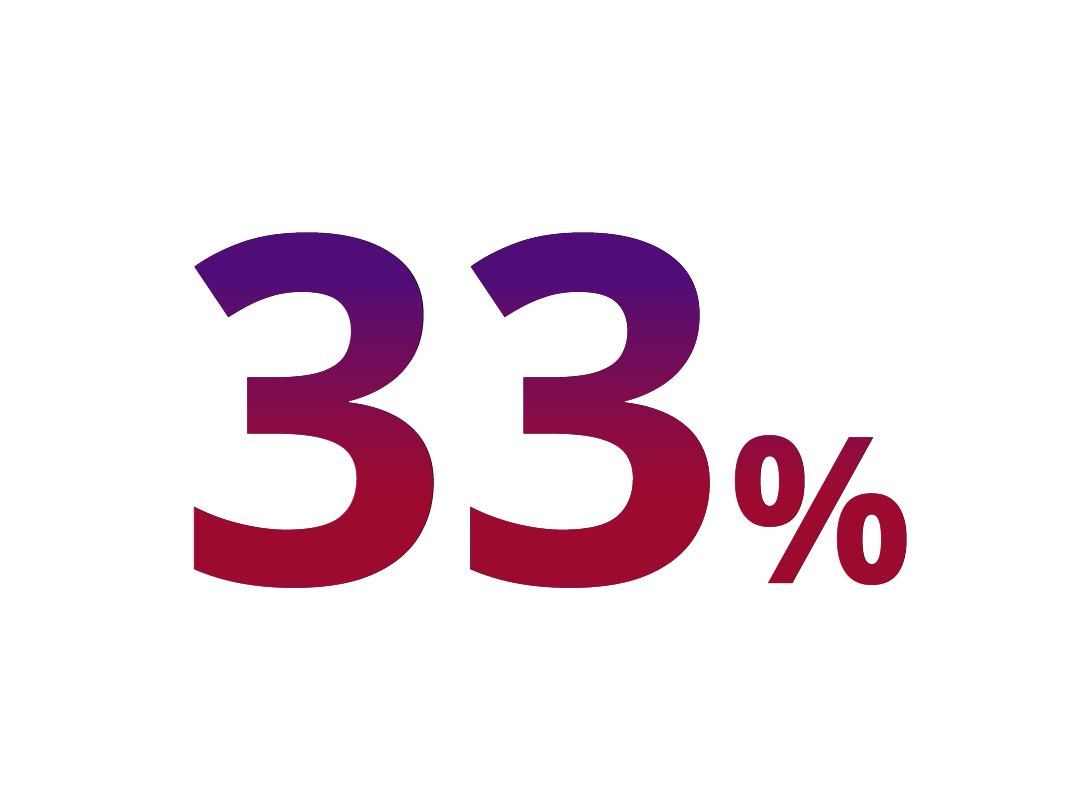
33% say that disruptions to normal schedules, such as travel or routine changes, lead them to fall out of their health or wellness routines.
Social ‘jet lag’
Our research shows that when people change their sleep and eating patterns at the weekend – by sleeping more or eating takeaway for example, they experience a form of “social jet lag”, a disruption similar to travelling across time zones. As a result, they may struggle to focus and are more likely to make suboptimal health and work-related choices early in the week.
For this reason, our experts recommend that a more consistent pattern helps maintain better health and wellbeing.
Why structure matters for employee health
Hybrid workers often move between highly structured office days and more flexible home days, creating a pattern similar to the weekday/weekend divide, which can lead to employees experiencing dips in focus, energy, and healthy habits on days where routine is looser. For employers this underscores the importance of structure and habits as a critical factor in effective wellness initiatives.

“There is a need to ensure we build consistent structures for our working day especially with hybrid working. There is an understandable shift from workplace to home in terms of a daily pattern for hybrid workers, but this shift is likely to produce a similar ‘social jet lag’ effect as a weekend/ weekday shift.”
- Dr Keith Brazendale, PhD., MSc., Associate Professor at University of Central Florida.
Building routine and structure into hybrid work
Our research recommends creating consistent anchors throughout hybrid and in office days, from meal and coffee breaks to a regular start and finish routine. Even replicating a commute with a “fake commute” at home such as a short walk before and after work, listening to the radio, or simply transitioning intentionally into work mode can help restore structure.
For employers, the challenge is managing the gap between in‑office and work‑from‑home days.
This starts with helping employees understand why routine matters, even when they are not physically in the office. Employers also need to support employees in building clear, best‑practice structure into their workdays. Finally, these changes need to be reinforced from the top, with leaders modelling the behaviours they expect to see.
Implementing, where possible, small structural choices such as aligned meeting times, predictable breaks, and manager role modelling, can have a measurable impact on short and long-term employee wellbeing, leading to a happier, healthier workforce.
Encourage employees to build regular anchors into their day that stabilise energy and support healthier choices, such as calendar reminders to move for 2-5 minutes throughout the day.
Share wellbeing resources on how routines that mimic in-office days, e.g. "fake commute", can improve focus and reduce stress by maintaining consistency across the week.
Protect meeting-free-lunch hours, ensure healthy food choices, and create spaces for movement and recovery.
Support leaders to demonstrate healthy routines, reinforcing organisational culture and expectations.
We are here to help you and your employees live longer, stronger healthier lives, at home and at work. Read about the range of supports, tools and benefits we offer in our articles on preventative health.