


The manager as a wellbeing multiplier
In the workplace, there’s no more important person to an employee than their manager – and we have the research to prove it.
While it may be assumed that supportive colleagues or workplace friendships would matter more, our research shows that managers play a central role in shaping employee wellbeing. Beyond managing workloads, they can provide emotional support, model healthy behaviours, and often act as buffers against wider organisational challenges.
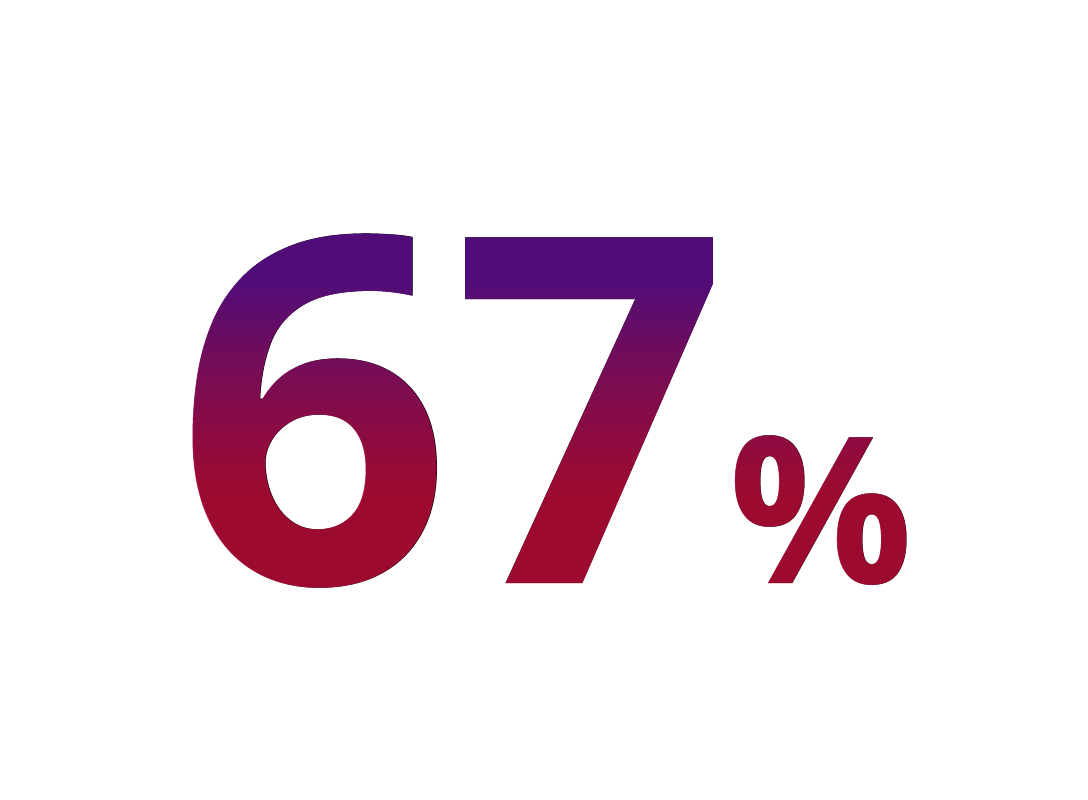
Two‑thirds of employees say they feel comfortable having open and honest conversations with their manager about work‑related challenges, without fearing negative consequences.
Impact of hybrid working on the workforce
We’ve spoken previously about the impact of hybrid working on the workforce, creating both opportunities and challenges for implementing wellness routines for employees. While benefits can include time gained back from commuting which can be given to a wellness routine, challenges can include a "social jet lag" from jumping between structured in-office days and work from home days. Managers are well-placed to help their direct reports when it comes to supporting the day-to-day needs that may present.
Our research shows that even when certain benefits are available such as working from home, flexible hours, or a four-day week, they are not always availed of by employees. While 37% have flexible start and finish time available, just 29% make use of it, 30% have flexi time available but only 24% use it, and 16% have a three or four day week by choice but only 9% avail of it.
This highlights an important dynamic for employers – benefits alone are not enough. Employees may feel the need for explicit permission and positive role-modelling. Managers can play a critical role in this – by actively encouraging their team to use these supports, and by using them themselves to demonstrate that taking advantage of wellbeing benefits is not only acceptable but encouraged.

Psychological safety means people feel able to speak up without fear.
When it’s present at work, it helps teams perform better and be more innovative. This can play a preventative role by reducing the likelihood that everyday stress escalates into longer-term health issues.
How employers can support managers and employees
According to our research, poor work-life balance is not random; it is directly correlated with a negative culture and unsupportive management. With 40% of those surveyed being extremely dissatisfied with their work life balance, organisations have a significant opportunity – and responsibility – to intervene.
Our findings show that managers are the first and most effective line of defence against a range of stressors, surpassing even senior leadership in their day-to-day impact. Investing in the capability of managers is one of the most powerful ways employers can support the wellbeing of their workforce.
Our research shows that around six in ten of those surveyed agree that their direct manager genuinely supports them in prioritising their wellbeing. Almost two thirds agree they would feel comfortable speaking to their direct manager if overwhelmed by their workload. It’s also important to recognise that managers themselves are not immune to chronic stress. As explored in our article on spotting the signs of workforce burnout, sustained pressure without support can undermine even the most capable leaders.
This manager influence is encouraging for employers. As preventative health continues to rise in importance, managers are becoming a pivotal lever in fostering healthier, more energised teams. When supported properly, managers become a critical link between everyday work and a broader preventative health strategy.
4 practical ways to help your managers support their staff
Managers play a critical role in supporting employee wellbeing but they also need support from the organisation to do this effectively. Here are practical ways employers can enable managers to create safety and support for their teams:
Support managers to reinforce realistic workloads, respect non‑working time, and role‑model behaviours such as logging off, taking breaks, and using flexible arrangements.
Help managers recognise and adapt to different life stages and working patterns including parents, new starters, and hybrid workers without relying on one‑size‑fits‑all approaches.
Acknowledge managers who create open team cultures, encourage use of wellbeing supports, and sustain strong engagement not just those who deliver short‑term performance.
Vhi supports and how we can help you*
Managers have a meaningful influence on the wellbeing of those they lead. We are here to help you support managers in prioritising their own wellbeing, as well as that of their teams.

Mental Health Support
We can support your employees with Mental Health First Aid courses, mindfulness, sleep support and much more.

EAP Manager Helpline
Guidance and support on managing colleagues and building a happy, productive work culture.

Vhi Wellness Platform
A personalised wellness platform with tailored tips, challenges and content to help employees manage their health and wellness every day.

Holistic Therapies
Access benefits towards Acupuncture, Reflexology and Psychology. Check the Table of Benefits to learn more.

Mindfulness and Meditation Apps
Access sleep supports like daily meditations and sleep stories with €30 off an annual subscription to Headspace or Calm apps.

parkrun
Participating in parkrun helps your employees to get active and connect with others.