


Cultivating social connection for enhanced employee wellbeing
It’s well known that social connection reduces employee stress, burnout and increases overall happiness. Our research shows that strengthening social connections in the workplace boosts employee morale and productivity levels.
This is why many employee wellness policies are increasingly fuelled by a culture of collaboration, where everyone from leadership down has their own role to play. In this type of model, an entire organisation will work together to embed their policy in everyday workplace behaviours, relationships and shared values.
According to our expert panel, the best way to achieve this is through a systems-based approach, combining collaboration across departments and leadership teams with ongoing evaluation and refinement. This allows leadership to both identify what’s working, and understand why.
In this article, we explore the reasons why shared ownership, strong social bonds, and visible support are key to making workplace wellbeing stick.
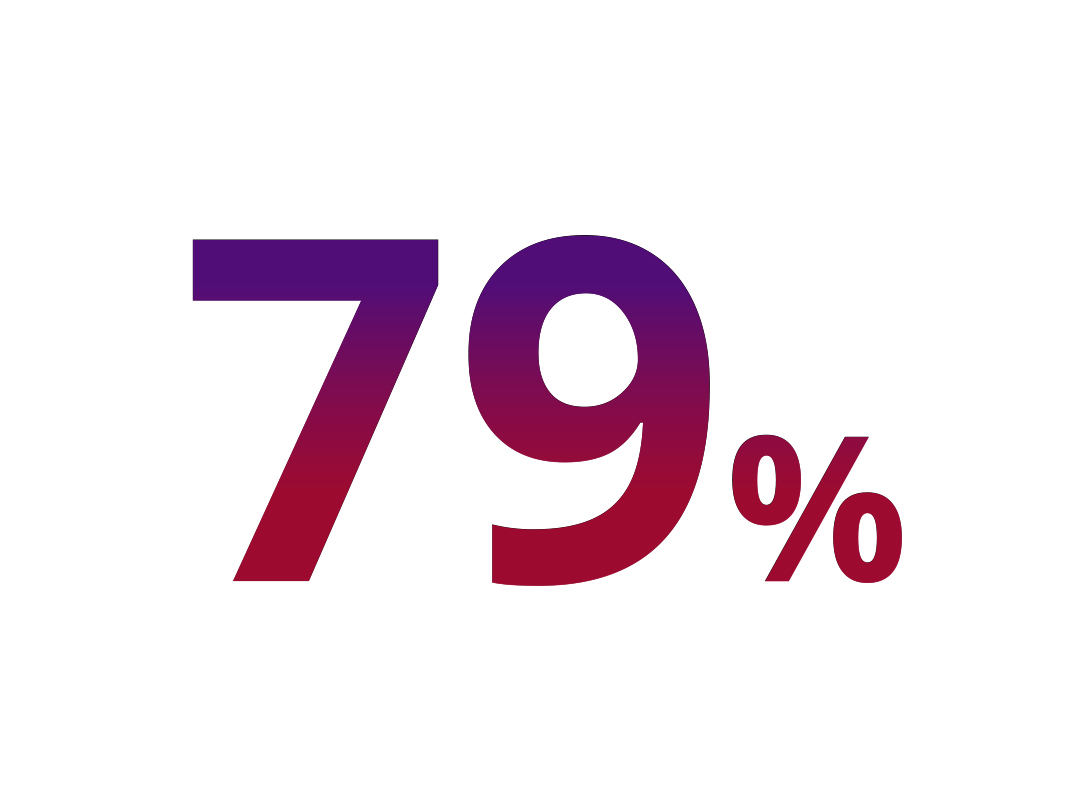
79% of employees who are “highly satisfied” with their own work-life balance believe that their company actively promotes a similarly healthy work-life blend.
What our research suggests is that how employees feel about their work-life balance is closely tied to how much their employer “walks the talk” in supporting it.
The message for employers is clear: the best way for wellness policies and preventative health programmes to make a positive difference is through active practice and encouragement that’s both seen and felt in the daily work experience.
Beyond perks: Why culture and connection count
While wellness perks like gym discounts and free fruit are all good starting points, lasting wellbeing thrives in a culture which truly supports and enables healthy behaviours. That requires consistency, authenticity, and visible encouragement from all levels of the organisation.
If there’s a gap between what’s written in the policy and what people actually experience day to day, employees will soon notice.
Modelling healthy habits boosts wellbeing
By contrast, positive ripples usually tend to occur in workplaces where leaders model and champion healthy habits. Over time, that visible support builds trust, making it easier for staff to set boundaries, take breaks, enjoy wellness flexibility and resources on their own terms, and adopt lasting healthy behaviours.
Strong social connections at work amplify all of this. Our research highlights that a workplace environment which supports social connections helps to prioritise mental health for employees.
Nurturing workplace relationships for employee wellbeing
Signs are promising that this is already the case in many organisations, as our research also shows that more than half of employees feel good about their workplace relationships, with many describing themselves as ‘satisfied’ with how they connect with both colleagues (57%) and their line managers (55%).
Fostering those connections can naturally occur in simple, everyday moments such as shared lunch breaks, casual check-ins, or team wellness activities. Over time, these touchpoints not only strengthen wellbeing, but also bed in a sense of purpose and belonging. When people feel seen, valued, and part of something bigger, it makes it easier for healthy behaviours to become lasting habits.

Loneliness is a common feeling in the workplace
One in five employees worldwide report feeling lonely on any given day. This startling finding suggests that a sizable percentage of the corporate workforce are missing out on the support, camaraderie and collaboration that make work life healthier and more enjoyable.
Fostering a collaborative workplace culture
Here are some concrete ways employers can move from intention to impact, and support their workforce’s wellbeing in a genuine, lasting way.
● Adopt a systems-based approach: Organisations can help strengthen employee wellbeing by adopting a systems-based approach to wellness initiatives. This involves collaboration across departments and leadership teams to ensure that both physical and cultural elements of healthy workplace initiatives are both implemented and supported.
● Foster social support networks: Create opportunities for employees to connect around healthy activities. This can include team wellness challenges, interest-based clubs (e.g. running groups, meditation sessions), or mentorship programs focusing on wellbeing goals. Making health a team effort taps into shared motivation and encouragement, which can boost participation.
● Encourage open communication: Create safe spaces for employees to communicate any feedback, questions or concerns that they may have. Enhance this kind of connection with regular check-ins, so employees feel heard and respected.
● Recognise employee events and achievements: Cultivate a supportive workplace environment where employees are celebrated for any personal or professional events or achievements.
We are here to help you and your employees thrive at work. Read about the range of supports, tools and benefits we offer in our empowering employee wellbeing article.