


Health equity and tailoring to a multigenerational workforce
Today’s corporate workforces are a much more diverse group of employees than ever before. From cultural background and gender identity to socioeconomic status and access to resources, there are so many factors which can shape an employee’s relationship with their health.
So, it makes sense that an organisation’s wellness policy should ideally have enough flexibility in it to reflect their various employees’ needs and life states, whether it’s recent graduates facing financial pressure and early career stress, mid-career parents balancing caregiving demands, or someone managing a disability or chronic condition.
This is where health equity enters the equation. It means ensuring that every employee – regardless of age, background or life experience – has a fair and equal opportunity to achieve good health.
In this article, we’ll explore how organisations’ wellness policies can incorporate health equity to meet their employees where they are in life. We’ll also show how tailored supports that feel relevant and accessible create a genuinely inclusive environment where everyone can thrive.
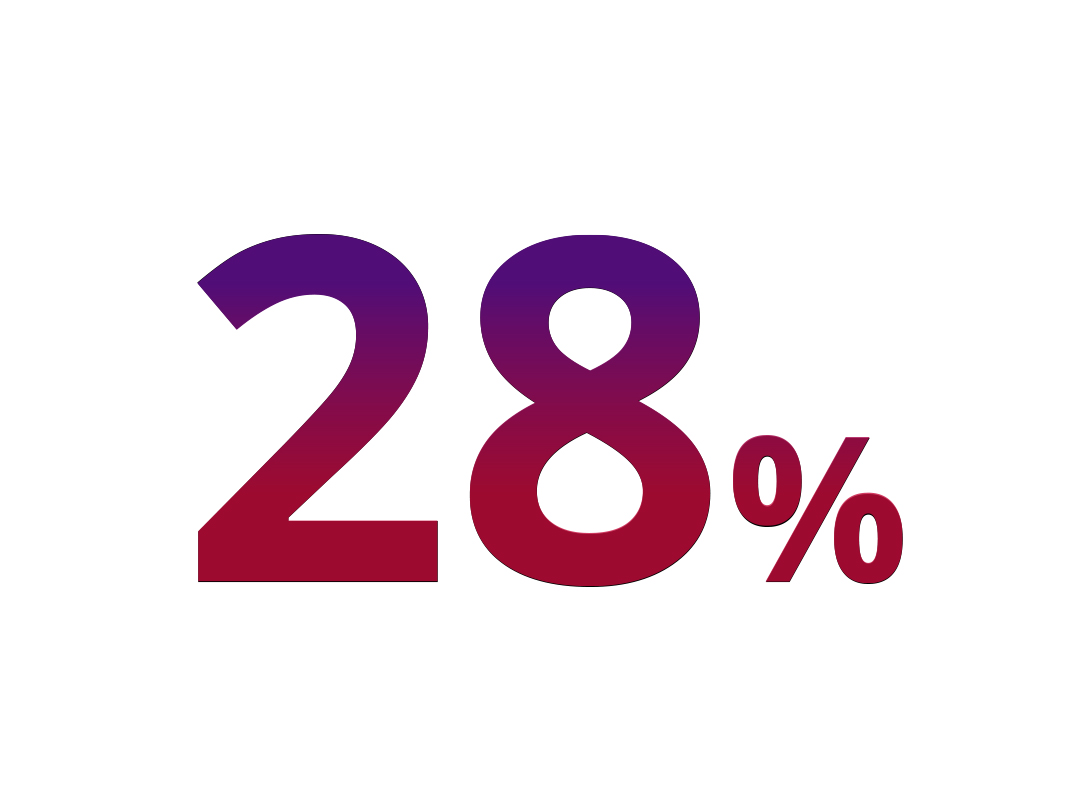
Only 28% of those in low-participation groups* say they feel well-informed about their knowledge of preventative healthcare.
*Typically comprised of younger staff who’ve either participated in only one preventative health activity, or none at all.
This gap in confidence suggests that many employees – particularly those earlier in their careers, or employees with minimal or no personal experience of interacting with healthcare systems – aren’t getting the information or support they need. While older employees may feel more confident navigating preventative care, others may be unsure where to start, what’s available, or how to take that first step.
One size doesn’t fit all
To truly embrace health equity, organisations should consider the diverse nature of their workforce. Dr. Mark Ward of Trinity College’s TILDA initiative tells us that, “the needs of individual employees differ greatly depending on what stage of life they are at.”
During our research, we explored the COM-B model of behaviour change. COM-B is a theoretical framework which can be a useful tool for organisations looking to adopt more tailored preventative health and wellness offerings for their employees.
It takes into consideration whether employees have the capability (psychological or physical) to engage in healthy behaviours; the opportunity (in terms of time, environment, or cultural support) to take action; and the motivation to choose health over competing work or life demands. COM-B’s findings can then be used to review an organisation’s wellness policy for practical compatibility with the employees it’s intended for.
“When it comes to developing interventions, you need to be very clear on who the target group are… What are the factors that influence avoidance or engagement (e.g. with physical activity) for that population group?"
— Prof. Catherine Woods, Chair in Physical Activity and Health (University of Limerick)
Tailored wellness efforts
Tailored wellness efforts can also foster a greater sense of belonging and self-worth, which in turn helps reinforce healthy habits over time. And, while individual motivation matters, a supportive and conducive environment surrounding an employee is equally important.
All of the above is crucial in determining whether someone engages or opts out in workplace wellness programmes. For example, younger staff may feel more energised by wellness initiatives that offer social connection and participation along with the opportunity to build relationships with colleagues (e.g., group workouts or team wellness challenges).
By contrast, older employees might look for more flexible, private options like online coaching or after-hours resources – such as a yoga mat to use in their own time rather than a corporate gym membership, or something that will endure as a social outlet into post-retirement life, e.g., choir membership or sports club volunteering.
Create health equity for your workforce
Creating health equity across a diverse workforce requires more than good intentions – it calls for thoughtful design, inclusive practices, and ongoing dialogue. Here are some practical ways employers can embed equity into their wellbeing strategies:
Involve a broad mix of employees in the design and rollout of wellbeing initiatives. What resonates with one team or demographic may fall flat with another. Inclusive co-design ensures programmes feel relevant, relatable, and genuinely supportive.
Physical activity offers wide-ranging mental and physical health benefits, but how it's introduced matters. Consider the diverse needs, motivations and barriers of your workforce when promoting activity. From walking groups and active breaks to virtual fitness challenges, consider options that are inclusive and flexible, not one-size-fits-all.
Equity isn’t a one-time effort. Regularly evaluate who’s engaging, what’s working, and where the gaps are. Use what you learn to evolve your approach and provide clear, inclusive information in formats and channels that feel accessible, making sure that everyone, regardless of background or circumstance, feels supported and more confident in their health journey.
Vhi supports and how we can help you*
We are here to help you support your multigenerational workforce. Our supports are designed to help your employees optimise their wellbeing at every stage of life.

parkrun
Participating in parkrun helps your employees to get active and connect with others.

Vhi Verified Blog
Health advice from Vhi experts; from new job anxiety to taking back control at work.

Employee Talks
Available on a range of topics including burnout prevention, improving sleep and mental health.

Fertility Clinics
Cover for fertility clinics throughout Ireland with our fertility partners.

Sports and Exercise Medicine
Receive treatment for joint, muscle and ligament pains and injuries.

Women's Health Clinic
Holistic care for women experiencing symptoms of perimenopause and menopause.