


The new rules of preventative health at work: what employers need to know
Preventative healthcare has rapidly shifted from a nice-to-have employee perk to a key business lever. In fact, our research shows that over half (56%) of people surveyed believe stress will impact their future health negatively. While this is certainly not good news, it does present a clear opportunity for employers to support your workforce with a preventative healthcare program that can have a lifelong impact.
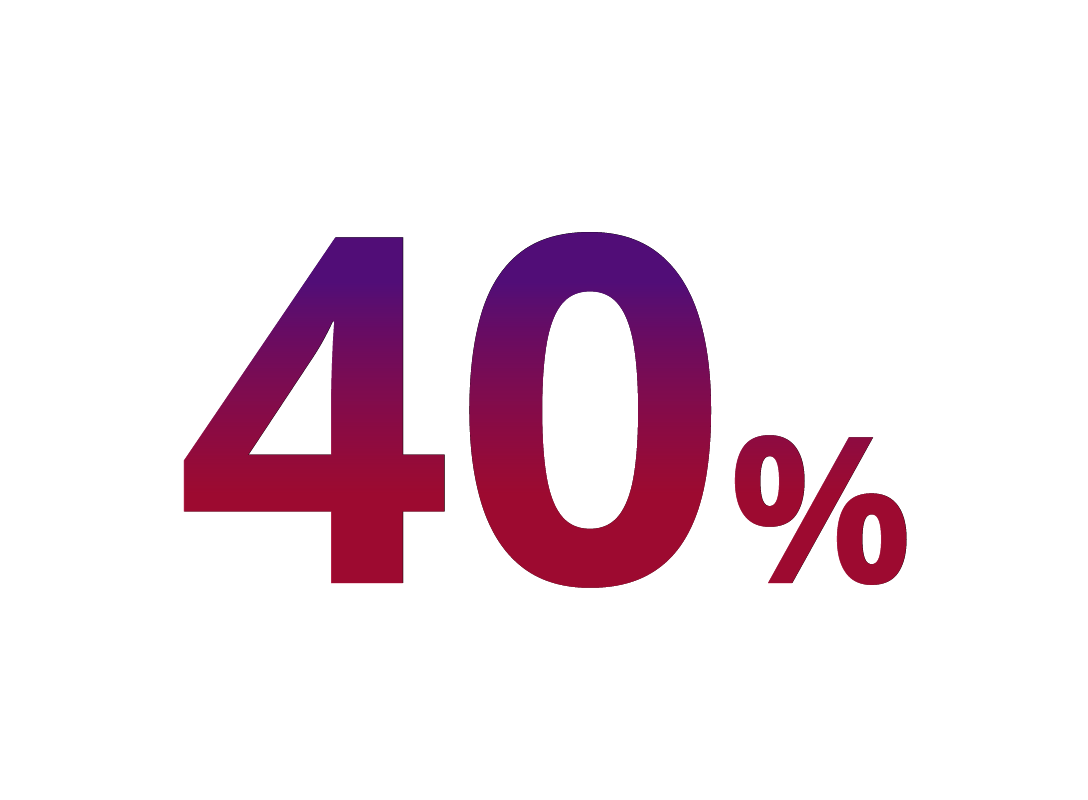
40% of surveyed employees say they are ‘extremely dissatisfied’ with their work/life balance, showing that practical everyday health habits are a key area of struggle for staff and a prime opportunity for support.
Why employers and employees need preventative healthcare
While there are many ways that office life can negatively impact people’s health, from sitting for hours at a time to feeling ‘always on’, one of the more modern, and prevalent, is stress. As explored in our article on workforce burnout, this kind of stress is not just an individual issue but a direct outcome of how work is structured and supported. Our research shows one in five employees consistently reporting high or extremely high levels. This confirms that stress is an established feature of the modern workplace and needs ongoing and structural solutions.
Whether at a chronic or lower level, many people spend a lot of time in a state of stress. This has a knock-on effect on their overall health and the way they interact with others in their work and home lives. Sustained stress reduces focus and strains interactions. Over time this lowers team performance and increases burnout risk.
The good news is that 52% of those surveyed are ‘motivated to be healthy to improve their mental and emotional wellbeing’, so there is appetite among employees for workplace measures that will support their health both in and outside the workplace. Preventative healthcare plays a critical role here, by addressing the conditions that allow chronic stress to build in the first place, rather than responding only once burnout has already taken hold.

Work patterns play a major role in whether healthy habits stick.
When meetings run back‑to‑back or work regularly spills into evenings, employees are less likely to maintain routines that support sleep, movement and stress recovery.
Workplace blockers impacting wellness benefits
Workplace culture can shape whether wellbeing benefits are actually used. Although employers may introduce a wide range of wellness benefits, if the culture of the workplace and the workload is such that staff don’t feel comfortable using them, they are unlikely to be used and won’t have the desired impact.
As our research illustrates, to really shift workplace culture, there is a need for leadership to lead by example and demonstrate support of wellbeing initiatives.
“Focus on changing workplace norms and leadership modelling rather than just improving facilities.”
- Dr Mariah Stump, attending physician, clinical educator, Assistant Professor of Medicine, Brown University.
Employee expectations have changed
While many familiar elements of preventative healthcare still apply, employee expectations of wellbeing programmes are evolving.
Employees overwhelmingly want preventative care that acknowledges and adapts to their life stage, risks, habits and stressors. Our research shows that 70% of respondents prefer personalised programmes created with an expert to suit their individual needs, rather than a one-size-fits-all wellbeing offering. 32% of employees felt it was essential to have programmes tailored to their life stage, like starting their career or becoming a new parent. 75% called out offerings considering their personality, like different options for introverts and extroverts, as being important (45%) or essential (30%).
The future of preventative health
Preventative health is no longer just about offering yoga classes or subsidised apps. It’s about looking at the conditions of work, creating a space for wellness, and enabling people to form healthy, sustainable habits.
This shift is driven by the realities of modern work: more digital tasks, constant interruptions and higher cognitive load. With stress rising, digital overload increasing, and employee expectations shifting toward convenience and personalisation, employers who modernise their approach will not only improve wellbeing, they will strengthen productivity, resilience, and retention.
4 tips employers can implement to support their employees’ health
For employers, small, visible changes to how work is structured can help to reduce stress and make preventative health initiatives more effective.
Implement wellness programs that really consider your workforce and their phase of life, there is plenty that employers can do to support their staff no matter their activity level or stage of life.
Embed wellness in the day-to-day by creating protected focus time and no-meeting windows to reduce cognitive load.
Create a culture where using wellbeing benefits is frictionless by scheduling wellbeing activities during working hours, not lunchtimes or evenings.
Vhi supports and how we can help you*
We are here to help you support your workforce in managing their wellbeing. Our supports are designed to meet employees where they are, adapting to different life stages, roles, abilities, and individual schedules.

Vhi Wellness Platform
A personalised wellness platform with tailored tips, challenges and content to help employees manage their health and wellness every day.

Employee Talks
Available on a range of topics including nutrition, financial wellbeing, stress management and mental resilience.

parkrun
Whether they walk, jog or run, parkrun helps your employees get active and connect with others.