


Unplugged: Reclaiming focus in a time of hyper-connectivity
We live in a hyper-connected world, where messages ping during family mealtimes and smartphones buzz with late-night emails. Ironically, the tools which once promised employees a less stressful work-life balance are now the ones making it worse.
As constant digital connectivity continues to blur the lines between work and personal time, its toll on employee wellbeing is increasing. Our research shows that 1 in 3 employees surveyed are feeling more stress in their daily lives than they were a year ago; that 39% of them are habitually checking work emails outside of weekday office hours; and that almost a third of them make the same work email checks at weekends.
It isn’t just work-related connectivity which is leaving employees feeling drained, or at risk of burnout. 59% of those surveyed check emails, texts or social media apps first thing in the morning, with 43% doing the same last thing at night; yet more proof that we’re living and working in an “always-on” culture.
In this article, we explore how constant connectivity is negatively impacting employee wellbeing, and consider some practical steps which employers can take to help their workforce reclaim focus and protect their health in a digital-first world.
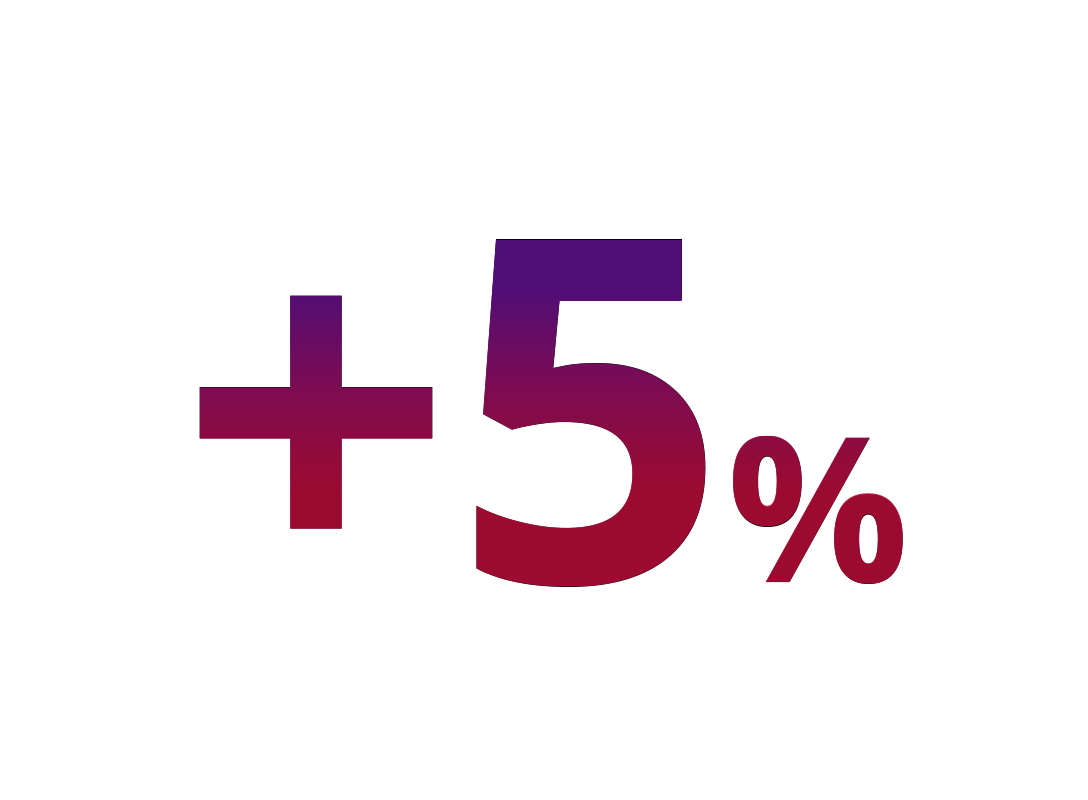
More employees are checking work emails during weekends (+5%) and holidays (+4%) compared to 2023 – a steady upward trend in after-hours digital engagement.
What this data shows us is that technology is stretching the workday, with many employees finding it difficult to fully switch off.
As one surveyed employee puts it, “You're working more than 9 to 5… when your laptop is there in front of you and you hear it pinging and people are going online.”
Finding the off switch
In an always-online world, fully switching off can be difficult for some employees, especially if a culture of constant availability has set in. If some team members are answering emails outside of normal office hours, others may feel pressure to do the same.
Before long, these types of habits can become workplace expectations, and even evolve into “unwritten rules”. Without intentional boundaries to counteract any of this, potential risks to employees can involve exhaustion, lack of focus, and an erosion of overall performance.
Of course, technology’s impact across a workforce isn’t uniform; younger employees often adopt new tech more fully and quickly, while those from older generations may engage more selectively. This uneven adoption can create additional pressures and highlight generational differences in how the same work is experienced on a day-to-day basis.
“There’s a need to recognise ‘digital saturation’ exists and define the clear boundaries for digital tools to ensure real world-life balance is supported."
— Julie Palcic, Founder, The Digital Human Wellbeing Programme
Boundaries are key for tech usage
This is where a supportive and considerate work culture can play a critical role in shaping an organisation’s tech usage to enhance both productivity and wellbeing. Our insights show that a positive culture, greater employee autonomy, and the ability to disconnect are among the most important factors for employee health.
In practice, this means setting clear expectations around after-hours boundaries, promoting flexible schedules, and giving employees the autonomy to manage their time in ways that suit them best. When people know they’re not expected to be permanently online, and feel trusted to manage their own workloads, they can embrace the benefits of flexible work without tipping into burnout.
As noted in our article, “Leading by Example”, it’s best for leadership to model and reinforce healthy boundaries. If managers are seen to be switching off at reasonable hours and refraining from sending out-of-hours mails or messages, it sends a powerful signal that wellbeing is valued over presenteeism.
Bring balance to your workforce
By making thoughtful changes to policies and culture, employers can play a vital role in mitigating the downsides of hyper-connectivity, while helping employees to reclaim focus and balance. Here are some effective strategies:
Ensure managers and leaders model healthy behaviour by refraining from after-hours communication and fully unplugging during time off. If the boss disconnects, employees will feel safe to follow suit.
Make balance a core part of your culture. Encourage taking breaks, discourage “heroic” long hours. When work-life balance is valued (and visibly practiced), employees feel supported in setting limits.
Equip staff with tools and training to help them manage digital overload and feel empowered to make better choices for themselves. This might include workshops on handling email and notifications, or stress management programmes.
Vhi supports and how we can help you*
In a tech-focused world, it’s important to avoid digital overload. We offer a range of services, benefits and tools to help your employees look after their wellbeing.

parkrun
Participating in parkrun helps your employees to get active and connect with others.

Vhi Wellness Platform
A personalised wellness platform with tailored tips, challenges and content to help employees manage their health and wellness every day.

Holistic Therapies
Access benefits towards Acupuncture, Reflexology and Psychology. Check the Table of Benefits to learn more.

HealthCheck
A health assessment for your employees in one of our Vhi 360 Health Centres based on their life stage.

Sleep Benefits
We provide cover towards consultant and pediatrician visits specialising in sleep. Check the Table of Benefits to learn more.

Employee Talks
Available on a range of topics including relaxation techniques, stress management and mental health awareness.